
Programme Features
Society needs doctors who are forward-thinking, well-informed and above all, capable of delivering humane and ethical medical care with the dedication to serve the community. HKUMed nurtures these qualities in our future doctors, making sure they graduate as life-long learners well-prepared to excel in their future careers and in their journey of life. Many HKUMed graduates have become leaders in different domains of medicine, academia, public service and other arenas.
Come join our MBBS programme if you aspire to be one of them.
>>Read our programme prospectus to find out more<<
Under the existing MBBS, a study track titled Distinguished MedScholar [MBBS (DMS)] is offered from the academic year 2023/24 onwards to further nurture students to become a scholar of academic excellence and compassionate member of the medical community.
If you are admitted to MBBS (DMS), you will pursue a Master of Research in Medicine (MRes[Med]) in the Enrichment Year in addition to completing the MBBS curriculum, thereby earning two degrees in six years. There is also the flexibility for you to pursue other Enrichment Year options according to your own preferences.
Please see here for MBBS (DMS) FAQ and Entry Requirements.
Training with Partner Institutions
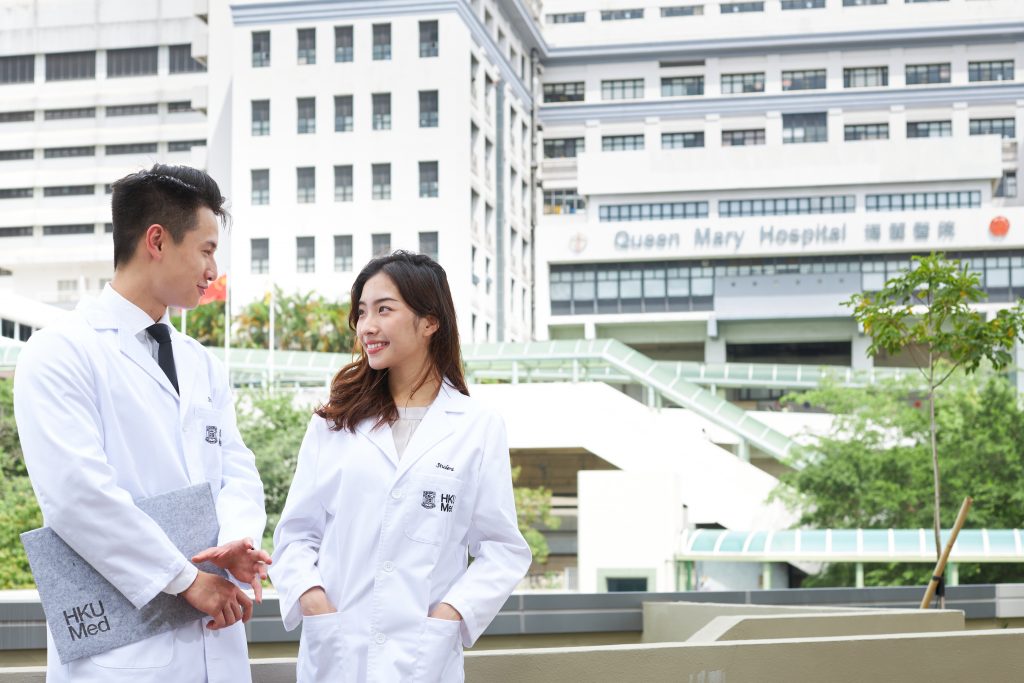
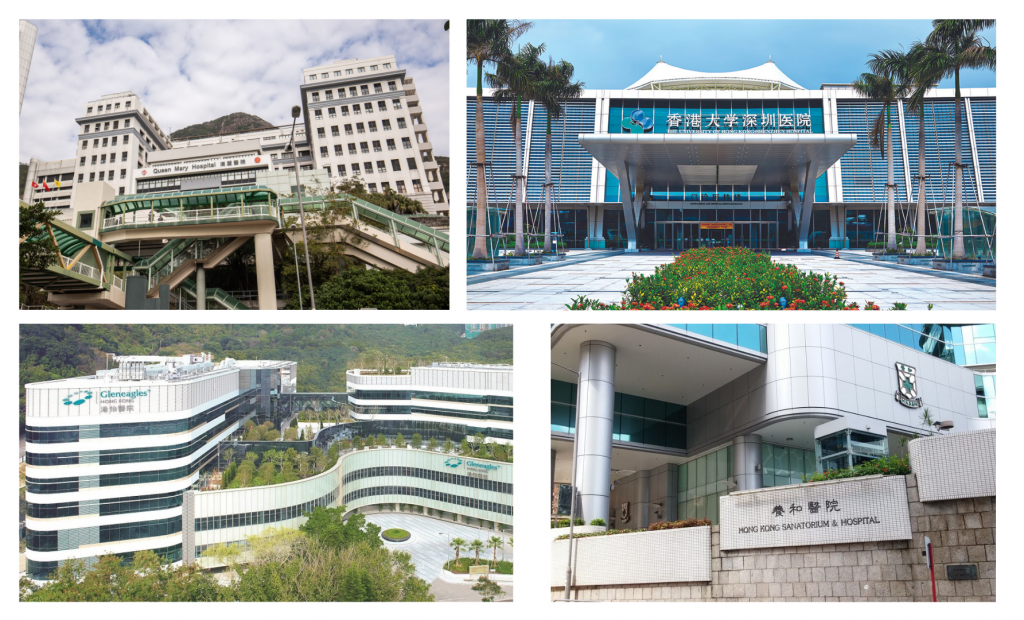
Queen Mary Hospital (QMH) is our major teaching hospital. It is also a tertiary referral centre for complex and advanced medical services for the entire Hong Kong territory. Most of the Faculty’s clinical departments are located at QMH, which offer dedicated teaching and learning activities and professional clinical training for our students.
Apart from QMH, learning also takes place in other public hospitals of the Hospital Authority and private hospitals such as the Hong Kong Sanatorium & Hospital, Gleneagles Hospital Hong Kong, and the University of Hong Kong-Shenzhen Hospital across the border. The University of Hong Kong-Shenzhen Hospital also provides an invaluable platform for our students to receive clinical training and attain a more in-depth understanding of the systems and practices across the border.
An Illuminating Six Year Quest
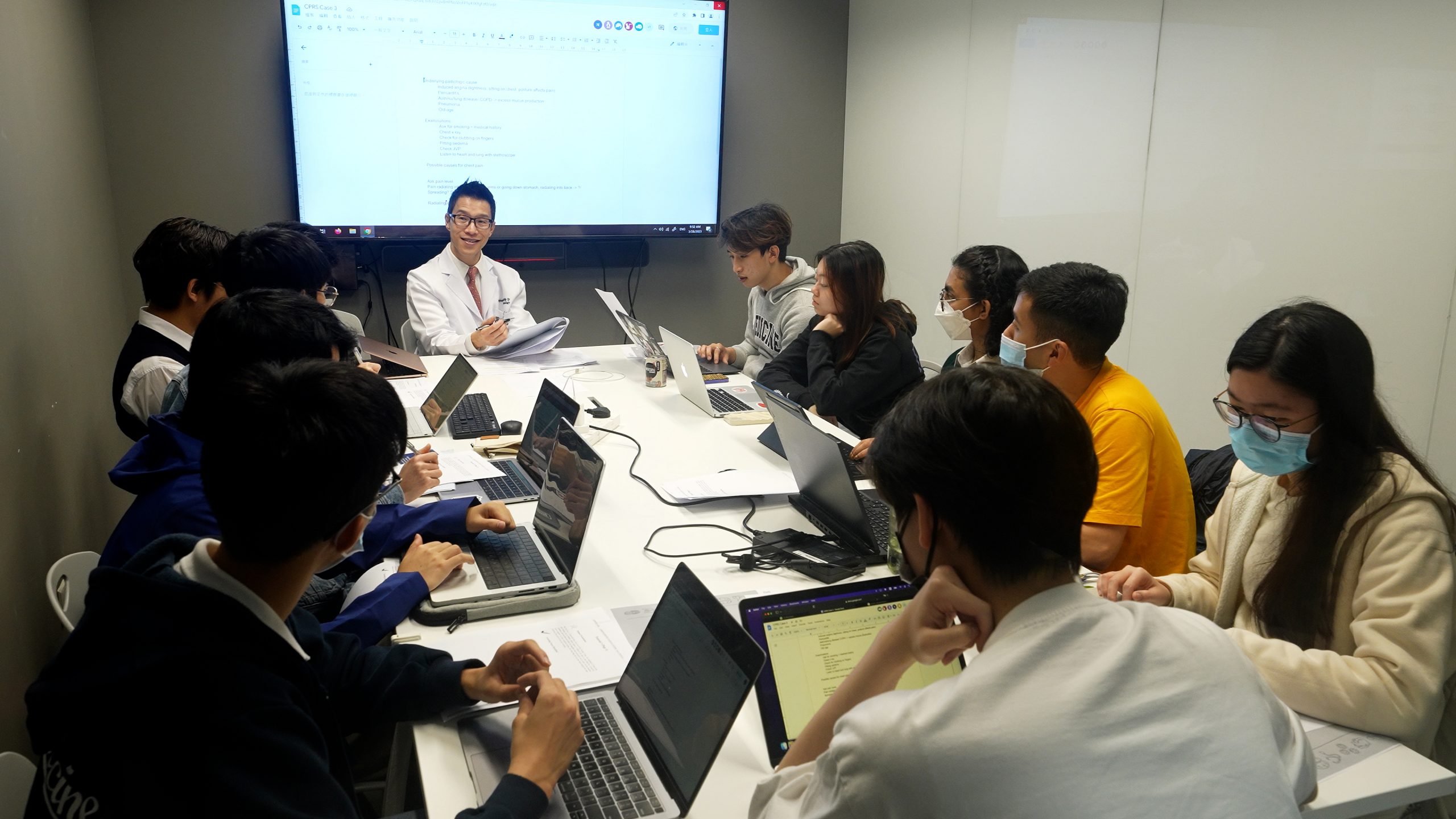
The MBBS curriculum runs for six years, consisting of three core components: the Pre-clinical Curriculum, the Enrichment Year and the Clinical Curriculum.
The most updated curriculum, titled “MBBS 140 Curriculum”, adopts the “140+ CORE” as the backbone. All the teaching, learning and assessment activities in both the pre-clinical and clinical years are designed around the 140+ CORE, with “CORE” standing for “Common situations pertaining to Ordinary clinical settings, in which students are expected to acquire the Relevant knowledge, skills and behavior that are Essential for competent and ethical professional practices”. The 140+ CORE makes the medical curriculum more focused, integrated, practical and manageable.
Year 1-2 (Pre-clinical Curriculum)
You will acquire health sciences knowledge and basic skills in self-directed learning by studying actual patient cases. You will also have your first exposure to patients through community visits, where you will learn about their care in their social and economic contexts.
The Pre-clinical Curriculum covers the following themes:
- Introduction to Health Sciences
To strengthen your foundation in basic and health sciences. - Professionalism and Clinical Skills
To gain an overview of the processes of diseases and an introduction to the therapeutic strategies for modulating disease processes. - Precision Medicine
To explore the exciting innovations in treating disease at the frontiers of genetics and genomics, artificial intelligence and robotics. - Medical Humanities, Ethics and Law
To learn about the ethical and legal implications of modern medical care, medical humanities and professionalism. - Medicine and Society
To learn about caring for the patient as an individual, and as a member of a family and a community.
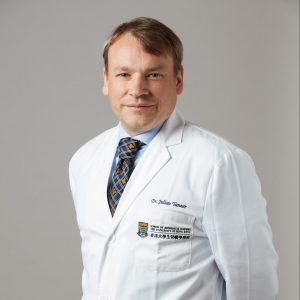
“Students are at the centre of all we do as teachers. Active learning is a top priority – having students engaged in innovative ways during lectures and practicals, collaborating during problem-based learning, and actively responding to probing questions with immediate feedback through our e-learning Platforms.”
Professor Julian Tanner
MBBS Programme Director (Pre-clinical)
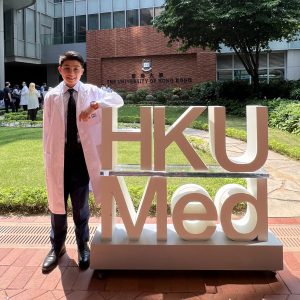
“I would describe my first year at HKUMed as both fruitful and rewarding. Apart from studying, I’ve got many more to experience here at HKUMed – being a Student Ambassador, Class rep, taking up society posts – which have all made me grow as a person. Studying medicine is never smooth sailing, but with friends and the whole community here, I am certain that we will all get through the obstacles. I am very proud to be part of HKUMed and I anticipate more to come in my medical Journey!”
Ryan Keung
MBBS III Student

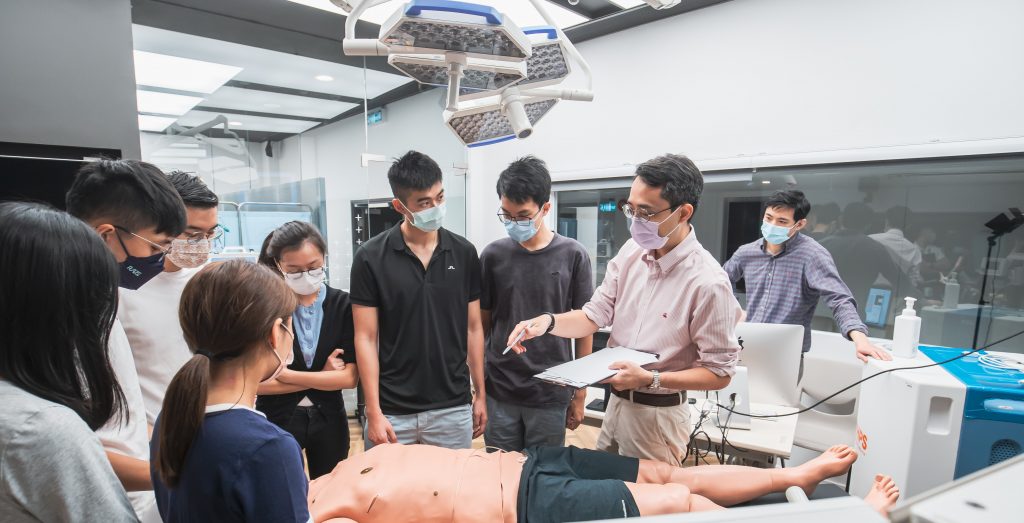
Building a comprehensive foundation of the biomedical sciences and principles underlying medicine (Four Modules)
- Molecules of Medicine
- Cells, Tissues & Systems
- Infections and Host Defence
- Drugs in Action
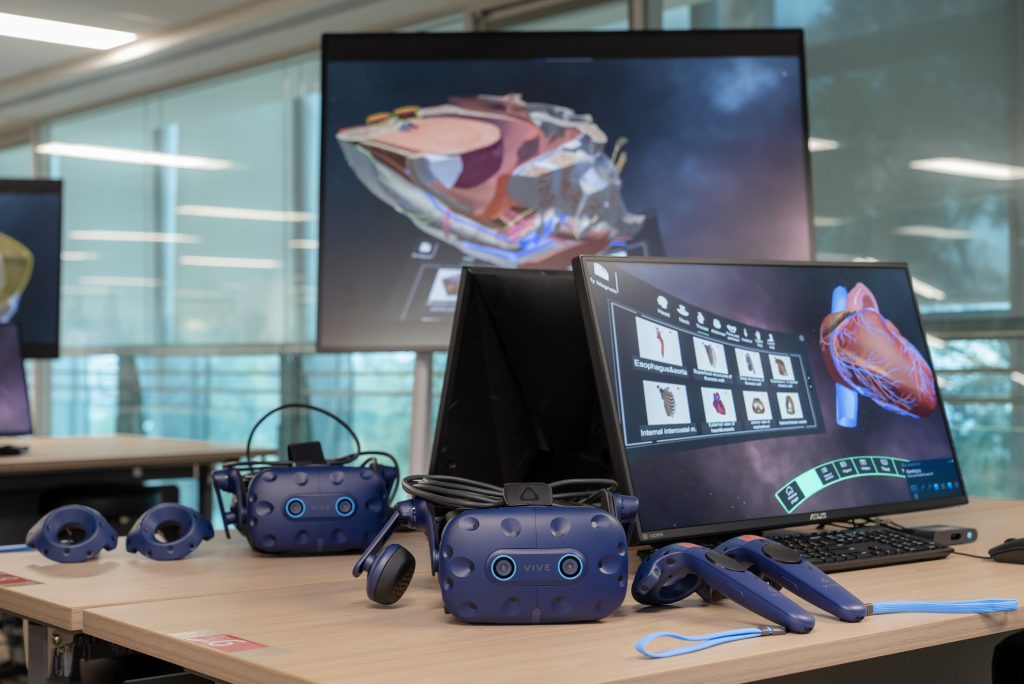
Understanding how systems in the human body work (Six Blocks)
- Cardiopulmonary and Renal Systems
- Head, Neck and Nervous System
- Gastrointestinal System
- Haematology and Immunology System
- Musculoskeletal System
- Endocrine and Reproductive Systems
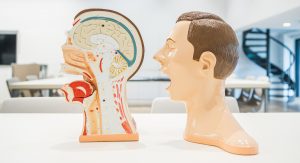
- Introduction to the Art and Science of Medicine
- System-based Blocks
Year 3 (Enrichment Year)
EY is specially designed to facilitate the enhancement of your total learning experience. You will be able to formulate your EY through three different categories: Service/Humanitarian Work, Research Attachment and Intercalation.
During the Enrichment Year, students have the opportunity to engage in global humanitarian relief missions, work with NGOs, undertake research internship at world-class laboratories, enrol in minor or elective courses at HKU, pursue full-year articulation studies at renowned universities overseas, and so on.
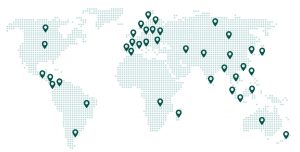
780+ Students went overseas in 45 Countries/regions across 5 continents for Intercalation, Research Attachment and/or Service/Humanitarian Work
50+ Participating local/overseas NGOs such as PathFinders, Salvation Army, Caritas Hong Kong, Wu Zhi Qiao (Bridge to China) Charitable Foundation, Hong Kong Red Cross, and International Care Ministries
400+ Research Attachments completed at labs of HKU or renowned institutions such as Yale University, The University of British Columbia, Stanford University, The George Institute for Global Health, and Monash University
420+ Students went on exchange in 20+ countries / region
490+ Degrees earned (including intercalated degree and master degree)
140+ Top-notch overseas institutions including University of Cambridge, Harvard Medical School, Columbia University, Queen Mary University of London, King’s College London, and The London School of Hygiene & Tropical Medicine
- Personalised learning tailored to individual interests
Year 4-6 (Clinical Curriculum)
This is when you will enter the real-life world of clinical practice and get full exposure to how doctors work on a day-to-day basis. You work alongside doctors and nurses as they treat patients while acquiring the necessary hands-on skills and an in-depth understanding of clinical medicine before you join the ranks as a future health professional.
You will go through three phases:
- Clinical Foundation Block
- Clinical Clerkships
- MBBS Electives
“HKUMed strives to provide a positive clinical learning environment that values learner needs. Our curriculum emphasises on knowledge integration and clinical reasoning, communication and team skills, professionalism and systems practice spanning across disciplines and healthcare settings, enabling learners to get ready for practice, realise their potentials and pursue their career aspirations.”
Professor Pamela Lee
MBBS Programme Director (Clinical)
Getting prepared to “think and act” like a doctor by consolidating skills in history taking,
physical examination and clinical reasoning
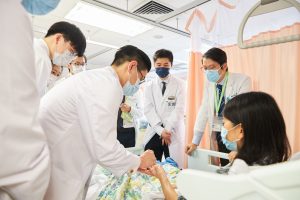
Getting ready for practice by being directly involved in day-to-day patient care
Two phases:
- General Clerkships (48 weeks)
- Principles of Medicine and Healthcare
- Acquiring key competencies in managing a broad range of clinical situations under the 140+ CORE
- Gaining exposure to a variety of clinical contexts in hospital and community settings
- Gaining insights into the full impact of illnesses on patients and their families
- Principles of Medicine and Healthcare
- Assistant Internship (49 weeks)
- Readiness for Practice
- Working as a recognised member of the clinical team in the role of Assistant Intern
- Shifting from theoretical knowledge in specialised fields to practical competencies essential for safe and effective practice in general
- Gaining substantial experience in the day-to-day clinical management of patients, including clinical procedures and clinical documentations
- Readiness for Practice
Specialties covered in the clinical clerkships:
Medicine, Surgery, Obstetrics and Gynaecology, Paediatrics and Adolescent Medicine, Orthopaedics and Traumatology, Family Medicine and Primary Care, Accident and Emergency Medicine, Public Health, Microbiology, Pathology, Anaesthesiology, Clinical Oncology, Diagnostic Radiology, Ophthalmology, Psychiatry, Geriatrics, Rehabilitation and Palliative Care
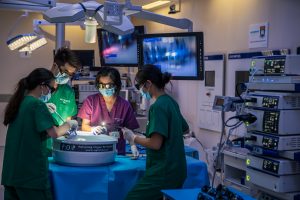
Opportunity to explore an area of medicine of your interest through clinical attachment or laboratory/clinical research
- Clinical Foundation Block
- Clinical Clerkships
- MBBS Elective
Professional Recognition & Career Prospects
Your MBBS is a registrable primary qualification that enables you to apply for registration with the Medical Council of Hong Kong to practise medicine in the region. To obtain full registration, graduates are required to successfully complete a 3-week Enhanced Pre-internship Block followed by a 1-year internship in an accredited hospital. The internship will take you through selected rotations in different specialties and will require you to practise clinically under the supervision of experienced doctors. Completion of this basic training will open the door to a multitude of career options in the medical profession.
If you want to become a specialist, you are then required to undergo more years of postgraduate training and further examinations. Postgraduate and specialist training is administered through the Hong Kong Academy of Medicine and its constituent colleges.
HKUMed graduates are a heterogeneous group of doctors, many of whom are now in leading positions in a variety of fields, not just medicine. Some serve the community as frontline doctors in the public and private sectors, while others have pursued academic careers in Hong Kong or overseas, contributing to the development of the next generations of doctors and advancing treatments. Some have become health administrators involved in policy making and healthcare planning for our community, and others have made their mark in non-medical careers, such as law, business, or pharmaceutical development.
Whatever path you wish to take, HKUMed is here to make your dreams come true.
Following completion of the final summative assessment, students would typically complete Enhanced Pre-internship Block and 1-year internship.
Admissions Information & FAQ

For JUPAS Candidates
b) Attain at least Level 3 in two elective subjects*, one of which must be:
(i) Biology or
(ii) Chemistry
* Mathematics Extended Part (Module 1 (M1) / Module 2 (M2)) will be recognised as equivalent to a full elective subject.
Other Requirements
A good working knowledge of Cantonese
Scoring Formula for 2026/27 Entry
The scoring formula considers Category A subjects and M1/M2 only. Best 6 subjects will be considered.
Consideration of Other Factors
- Interview performance
- Number of Level 5**/ 5*/ 5
- Student learning profile
Consideration of HKDSE Combined Results, Penalty for HKDSE Repeaters, and/or Applying With Previous HKDSE Results for 2026/27 entry
For JS6456 MBBS:
- Only HKDSE results obtained in the recent three years (i.e. 2026, 2025 & 2024)
- The latest results for each subject in HKDSE
- Penalty will be imposed on subjects which were retaken
For JS6626 MBBS(DMS):
- Only HKDSE results obtained in the recent three years (i.e. 2026, 2025 & 2024)
- The best ‘single sitting’ programme score will be considered, with ‘single sitting’ construed as a HKDSE attempt in a given year containing the results of at least 6 Category A subjects, including M1/M2
- June 10, 11 & 12, 2026
- July 22, 2026
For Non-JUPAS Candidates
University Entrance Requirements
(As the English Language Requirement is not determined and reviewed by individual Faculties, please contact HKU Admissions Office if further clarifications and assistance are needed.)
Programme Specific Requirements
- Biology or Chemistry at high school level
Other Requirements
- A good working knowledge of Cantonese (for both local & non-local students)
- Preference for First Choice
Interview
- December 16 & 17, 2025
- April 1, 2026
- July 10, 2026
- August 21, 2026
Advanced Standing
High school candidates with GCEAL, Cambridge Pre-U or IB Diploma qualifications and at least seven years of secondary education at the time of being admitted to the University will be granted Advanced Standing in the non-credit bearing course “Academic Communication in English Course (ACE)”.
For Degree Holder candidates, please refer to here.


Non-JUPAS MBBS Supporting Documents (2026/27 entry)
All Non-JUPAS MBBS candidates should upload supporting documents to the non-JUPAS application system according to the checklist for each qualification and timeframe outlined below. Failure to provide sufficient documents in a timely manner may delay application processing.
Candidates may also be invited to provide further information and/or supporting documents other than the ones listed below when necessary.
After settling the application fee, candidates can upload supporting documents according to the ‘Document Type’ Headers. Uncategorized supporting documents and additional documents can be uploaded to ‘Other documents’ Header.
Failure to comply with the following data input instructions on the non-JUPAS application system may result in non-processing or delay in the application.
| Data Field | Requirements | DO NOT… |
| Academic Profile > Academic History and Course Enrollment – Name of Institution / School | You must provide the school name of your current school of full-time studies if you are in the last year of secondary education | Provide such data in other sections |
| Academic Profile > Type of Programme / Curriculum | Select “General Certificate of Education (Advanced Level)” | Select “Others (Write In)” |
| Academic Qualifications > ‘+ Qualification’
(i) Examination Type and (ii) Examination |
Select
(i) “GCE/ Cambridge Pre-U / International AL” and (ii) “General Certificate of Education A Level / International A Level” |
Select “Other Examination” |
| Academic Qualifications > ‘+ Subject’ | Select all the subjects from the drop-down menu |
Failure to comply with the following data input instructions on the non-JUPAS application system may result in non-processing or delay in the application.
| Data Field | Requirements | DO NOT… |
| Academic Profile > Academic History and Course Enrollment – Name of Institution / School | You must provide the school name of your current school of full-time studies if you are in the last year of secondary education | Provide such data in other sections |
| Academic Profile > Type of Programme / Curriculum | Select “International Baccalaureate Diploma Programme” | Select “Others (Write In)” |
| Academic Qualifications > ‘+ Qualification’
(i) Examination Type and (ii) Examination |
Select
(i) “International Baccalaureate” and (ii) “International Baccalaureate Diploma” |
Select “Other Examination” |
Failure to comply with the following data input instructions on the non-JUPAS application system may result in non-processing or delay in the application.
| Data Field | Requirements | DO NOT… |
| Academic Profile > Type of Programme / Curriculum | Select and include only the following types:
(i) “Bachelor’s degree” (ii) “Master’s degree”, and/or (iii) “Doctorate degree”
There is no need to provide high school / secondary education qualifications |
Select and/or include other types |
| Academic Profile > Programme Title |
Enter the name of your major (which is the most relevant to the study of medicine) with a maximum of 7 words.
Example 1: Programme title is “Bachelor of Science in Biochemistry and Cell Biology and minor in Japanese studies” . The Programme Title should be input as “Biochemistry and Cell Biology”
Example 2: Programme title is “Honours Bachelor of Science in Biological, Biomedical & Life Science; Honours Physiology; Minor Psychology”. The Programme Title should be only “Physiology” |
use more than 7 words for this field |
| Academic Qualifications > ‘+ Qualification’
(i) Examination Type and (ii) Examination |
(i) Select “Other Examination” and (ii) type the qualification abbreviation (e.g. BSc, BA, BMedSc, Bachelor’s, MPhil, MA, MSc, PhD) without the name of the major |
input the full title of your programme |
| Academic Qualifications > ‘+ Subject’ |
Input only one Subject: “Overall degree results” Format: achieved mark / maximum mark (example 1: 60.52/100, example 2: 3.55/4.30) Type “NA” for Predicted Grade where applicable |
Input other than “Overall degree results”;
Provide individual or all university course/module results in your programme |
| Supporting Document > University Transcript | Upload your university transcript to the applicant portal | Ask your referees to upload any school transcript or university academic records |
For “Overall degree results” , the following data are acceptable:
- Latest cumulative GPA provided by the student portal of your university or by calculation
- Latest Overall Programme Mark in a numerical value
- Weighted Average Mark
- Weighted score with consideration of the credit values in each subject (see example below*)
- Official grade such as “Distinction, Pass, Fail” if GPA and numerical marks are not available in any part of your transcript
*Example:
Genetics (66/100, 10 credits)
Cell Biology (71/100, 15 credits)
Introduction to Anatomy (60/100, 15 credits)
Bioethics (72/100, 10 credits)
Mechanism of Drugs (80/100, 10 credits)
Total credits gained = 60 credits
Weighted score will be [(60×10) + (71×15) + (60×15) + (72×10) + (80×10)] / 60 = 69.08
Data input on the non-JUPAS system: Overall degree results – 69.08/100

MBBS (GET)
For Degree Holder candidates, please refer to here.


Interview Dates
Interview Dates for 2026-27 entry
| JUPAS | Non-JUPAS (6-year curriculum) | GET |
|
|
|
Interview Format for 2026-27 entry
| JUPAS | Non-JUPAS (6-year curriculum) | GET |
| Individual Interview (English and Chinese), followed by a Group Interview (English) | Individual Interview (English and Chinese), followed by a Group Interview (English) | Individual Interview (English and Chinese) |
Application Deadlines for 2026-27 entry
| Stream | Application Deadline | Admission Requirements |
| JUPAS | December 3, 2025 (Wed) 5pm |
|
| Non-JUPAS (6-year curriculum) | First Round: Nov 26, 2025 (Wed) noon
Further Round: Aug 21, 2026 (Fri) noon |
|
| GET | First Round: Nov 26, 2025 (Wed) noon
Further Round: Dec 31, 2025 (Wed) noon |
|
Grooming Future Leaders: Alternative Pathways for the Ultra-talented
HKUMed believes in equity in education and provides necessary support to help individual students develop their learning potential to the fullest. To enable individuals with exceptional talent to progress as far and achieve as much as possible in their medical training, we have opened up the following alternative study pathways.
The MBBS/PhD is a full-time combined programme extending over not less than nine years and leading to the award of both MBBS and PhD degrees upon graduation. Students may enrol in HKUMed’s joint PhD programmes with King’s College London and the University of Toronto.
Financial Incentives
Starting from 2018-19, the HKSAR government has waived PhD composition fees for all local full-time students enrolled in the UGC funded Research Postgraduate programmes.
Croucher Foundation Scholarships are available for a maximum of three outstanding MBBS/PhD students each year to cover the monthly postgraduate studentships, research bench fees and allowances for overseas conference attendance and/or exchange.

MBBS (Distinguished MedScholar)
Under the existing MBBS, a study track titled “MBBS (DMS)” is offered from the academic year 2023/24 onwards to further nurture students to become a scholar of academic excellence and compassionate member of the medical community.
If you are admitted to MBBS (DMS), you will pursue a Master of Research in Medicine (MRes[Med]) in the Enrichment Year in addition to completing the MBBS curriculum, thereby earning two degrees in six years. There is also the flexibility for you to pursue other Enrichment Year options according to your own preferences.

In addition, you will enjoy the following exclusive benefits:
- Guaranteed elite mentorship from experts of your own choice from within the Faculty or the University
- Guaranteed hall residence throughout your undergraduate studies at HKU
- Upon completion of MBBS and MRes[Med] and the one-year internship, guaranteed financial support from HKUMed to pursue a PhD at a renowned university and potentially join HKUMed as a clinical academic upon completion of PhD
Transfer from MRes[Med] – Enter PhD before MBBS Year 4
If you undertake the intercalated Master of Research in Medicine (MRes[Med]) during your Enrichment Year, you can apply to transfer your candidature to the MBBS/PhD programme no later than the 8th month of the MRes[Med]. The time you spent on MRes[Med] would be counted towards the probationary period for your PhD studies.
After submitting your thesis in the last year of PhD studies, you would then re-enter the MBBS programme in Year 4 and complete the remaining years up to Year 6, thus earning both the MBBS and PhD degrees in nine years.
